Home Blog

Personal Reason Resignation Letter Format: Guide + Free Templates

Quitting a job for personal reasons is one of those situations where you want to say just enough, not more. Maybe it’s a family matter, a health issue, a relocation, or something you’d rather not spell out in writing at all. Whatever the reason, your resignation letter doesn’t need to explain everything. It needs to be clear, polite, and professional, and it needs to give your employer the information they actually need: that you’re leaving, and when.

This guide walks through the exact format to use, what to include (and what to leave out), and gives you several ready-to-use templates so you’re not staring at a blank page.

What Is a Personal Reason Resignation Letter?

A personal reason resignation letter is a formal notice you submit to your employer when you’re leaving your job due to circumstances outside of work, rather than because of a new job offer, a career change, or dissatisfaction with the role itself. It’s still a professional document, just one where the “reason for leaving” section stays deliberately vague.

Common personal reasons people cite include:

  • Family responsibilities or caregiving duties
  • Health concerns, either your own or a family member’s
  • Relocating to a different city or country
  • Returning to school or full-time study
  • A need to focus on personal wellbeing or mental health
  • Pursuing an unrelated personal goal or project

None of these require justification in the letter itself. HR doesn’t need your medical history or your family’s business. “For personal reasons” is a complete, acceptable, and widely used sentence in professional resignation letters.

Why the Format Matters

A resignation letter isn’t just a courtesy. In most companies, it becomes part of your official employment record. It’s the document that confirms your last working day, and it’s often what HR references when calculating final pay, benefits cutoff, or notice period compliance. Getting the format right protects you just as much as it satisfies your employer.

A well-structured letter also leaves a better impression than a rushed email typed in five minutes. Even if you’re leaving under difficult personal circumstances, a clean, professional letter keeps the door open for a future reference or even a return to the company down the line.

Standard Personal Reason Resignation Letter Format

Here’s the structure that almost every professional resignation letter follows, regardless of the reason behind it.

Section  What to Include 
Your contact details  Name, address, phone number, email (optional if sending by email) 
Date  The date you’re submitting the letter 
Employer’s details  Manager’s name, job title, company name, and address 
Salutation  “Dear [Manager’s Name],” 
Opening statement  A clear statement that you are resigning, and your position 
A clear statement that you are resigning, and your position  “Due to personal reasons” or similar, no elaboration needed 
Last working day  Your intended final day, based on your notice period 
Gratitude  A short thank-you for the opportunity 
A short thank-you for the opportunity  An offer to help hand over responsibilities 
Closing  “Sincerely,” or “Best regards,” followed by your name and signature 

You don’t need every single line to be a separate paragraph. Most of this fits comfortably into four or five short paragraphs.

Step-by-Step: How to Write It

1. Start with the basics

If you’re sending a printed letter or a PDF, open with your contact information and the date, followed by your employer’s details. If you’re sending an email, you can skip straight to the salutation, since your email header already covers this.

2. State your resignation clearly, right away

Don’t bury the lede. The first line should say you’re resigning and from which position. Something like:

“I am writing to formally resign from my position as [Job Title] at [Company Name].”

3. Mention the reason briefly, if at all

You’re not obligated to explain anything. If you want to acknowledge a reason without going into detail, a single phrase does the job: “due to personal reasons” or “due to personal circumstances.” That’s it. You don’t owe further explanation, and a good manager won’t ask for one.

4. Give your last working day

Base this on your contract’s notice period, typically two weeks, but check your employee handbook or offer letter to confirm. State the exact date rather than a vague timeframe like “in a couple of weeks.”

5. Express appreciation

Even a single sentence of thanks goes a long way. It doesn’t have to be effusive. Something honest and brief works better than something that sounds forced.

6. Offer to help with the transition

Offering to train a replacement, document your processes, or wrap up ongoing projects shows professionalism and often smooths over any tension around your departure.

7. Close professionally

End with a standard sign-off and your full name. If it’s a printed letter, leave space for your signature above your typed name.

Sample Personal Reason Resignation Letter (Formal)

[Your Name]

[Your Address]

[City, State, ZIP]

[Email Address]

[Phone Number]


[Date]


[Manager’s Name]

[Company Name]

[Company Address]


Dear [Manager’s Name],


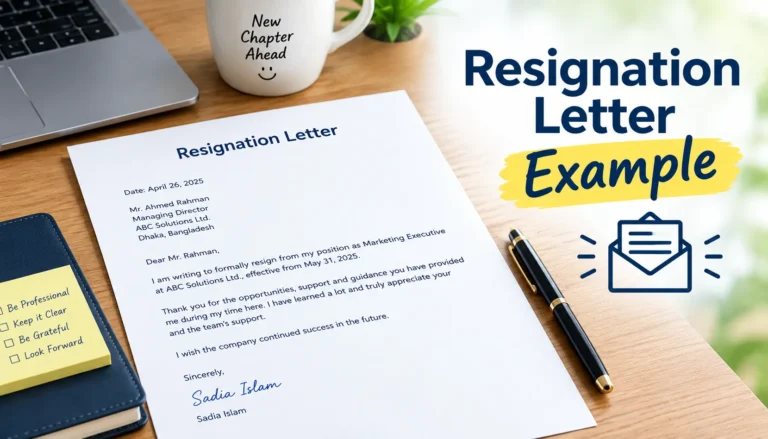
I am writing to formally resign from my position as [Job Title] at [Company Name], effective [Last Working Day].


This decision comes due to personal reasons that require my full attention at this time. It was not an easy decision, as I have genuinely valued my time here and the opportunities I’ve had to grow.


I am committed to making this transition as smooth as possible. Please let me know how I can help with handing over my responsibilities or training a replacement before my departure.


Thank you for your understanding and for the support you’ve shown me during my time at [Company Name].


Sincerely,

[Your Name]

Sample Personal Reason Resignation Letter (Short Email Version)

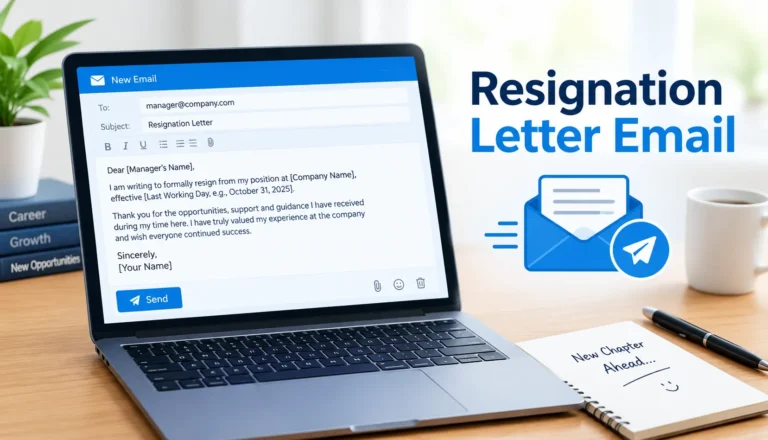
Subject: Resignation – [Your Name]


Dear [Manager’s Name],


Please accept this email as formal notice of my resignation from [Company Name], effective [Last Working Day].


This decision is due to personal reasons. I appreciate the opportunities I’ve had here and I’m happy to assist with the transition in any way I can before I leave.


Thank you for everything.


Best regards,

[Your Name]

What to Avoid in Your Letter

  • Don’t over-explain: A vague reason is not rude. Adding pages of context usually creates more questions than it answers.
  • Don’t vent: Even if the personal reason is connected to workplace stress, keep the letter neutral. Save the venting for a conversation with someone you trust, not the official record.
  • Don’t skip the notice period without discussing it first: If your personal circumstances require an earlier exit, raise that directly with your manager before submitting the letter, rather than announcing a shorter departure date unilaterally.
  • Don’t forget to proofread: A resignation letter with typos undercuts the professional tone you’re going for.

Personal Reasons vs. Other Types of Resignation Letters


Type  Typical Reason Given  Tone 
Personal reasons  Family, health, relocation, unspecified  Family, health, relocation, unspecified 
New job opportunity  Career growth, better offer  Positive, forward-looking 
Retirement  End of career  Reflective, appreciative 
Reflective, appreciative  Urgent personal or workplace issue  Direct, apologetic for short notice 
Dissatisfaction with role  Misalignment, poor fit  Diplomatic, avoids blame 


The core format stays the same across all of these. What changes is the level of detail in the reason and the overall tone.

FAQs

Do I have to give a specific reason in my resignation letter?

No. “Personal reasons” is an acceptable and commonly used explanation. Employers generally don’t require further detail, and you’re not obligated to provide it.

How much notice should I give?

Two weeks is standard in most industries, but always check your contract or employee handbook first. Some roles require 30 days, and some at-will positions technically require none, though giving notice is still good practice.

Can I resign for personal reasons and still ask for a reference later?

Yes. A resignation for personal reasons has no bearing on your eligibility for a future reference, as long as you leave on professional terms and complete your notice period as agreed.

Should I send the letter by email or in print?

Either works, depending on your company’s culture. Many workplaces now accept email resignations as standard. If your company has a formal HR process, check whether they expect a signed physical copy as well.

What if my manager asks for more details after I submit the letter?

You can politely repeat that it’s a personal matter and that you’d prefer not to go into detail. You’re not required to disclose anything beyond what you’ve already shared.

Can I change my last working day after submitting the letter?

It’s possible, but not guaranteed. Any change to your departure date needs to be discussed and agreed upon with your manager or HR, since it may affect handover plans, payroll, or benefits administration.

Conclusion

A personal reason resignation letter doesn’t need to be complicated. Keep it short, state your intention to resign clearly, mention your last working day, and leave the personal details out. The format above works whether you’re emailing HR from your phone or printing a formal letter for your manager’s desk. What matters most is professionalism and clarity, not how much you choose to explain.

Kannada Resignation Letter: Format, Samples, and How to Write One

If you’re working in Karnataka, or writing to a Kannada-speaking manager or HR team, a resignation letter in Kannada often lands better than an English one. It shows respect for the workplace and the person reading it. This guide covers the structure, gives you ready-to-use samples, and lists the phrases you’ll need to write your own.

What Is a Kannada Resignation Letter?

A Kannada resignation letter (ರಾಜೀನಾಮೆ ಪತ್ರ, Rajinamae Patra) is a formal notice, written in the Kannada language, informing your employer that you intend to leave your job. It follows the same basic rules as an English resignation letter — a date, a recipient, your notice period, and a signature — but the tone and phrasing follow Kannada letter-writing conventions, which lean more formal and a bit more personal than typical Western business English.

You’ll usually want one if:

  • Your company operates primarily in Kannada (common in Karnataka government offices, schools, and many private firms outside Bengaluru’s IT corridor)
  • Your manager or HR contact is more comfortable reading Kannada
  • You want to show extra respect in a small or traditional organization
  • Your company’s internal policy or HR format specifically asks for it

Key Elements of a Kannada Resignation Letter

Every resignation letter, in any language, needs the same core pieces. Here’s what to include and where it goes:

Element  Kannada  Purpose 
Date  ದಿನಾಂಕ  When you’re writing the letter 
Recipient’s name and designation  ಸ್ವೀಕರಿಸುವವರ ಹೆಸರು ಮತ್ತು ಹುದ್ದೆ  Who the letter is addressed to (manager, HR head) 
Subject line  ವಿಷಯ  States it’s a resignation letter in one line 
Salutation  ಗೌರವಾನ್ವಿತ / ಆತ್ಮೀಯ  Formal greeting 
Statement of resignation  ರಾಜೀನಾಮೆ ಘೋಷಣೆ  Clearly states you are resigning and from which position 
Last working day  ಕೊನೆಯ ಕೆಲಸದ ದಿನ  The exact date you’ll stop working, based on your notice period 
Reason (optional)  ಕಾರಣ  Brief, professional reason — not mandatory 
Gratitude  ಕೃತಜ್ಞತೆ  Thanks for the opportunity and experience 
Handover offer  ಹಸ್ತಾಂತರ ಸಹಾಯ  Offer to train a replacement or wrap up pending work 
Closing and signature  ಮುಕ್ತಾಯ ಮತ್ತು ಸಹಿ  Sign-off phrase, your name, and signature 

Sample Kannada Resignation Letter (Formal)

Here’s a straightforward, formal version you can adapt for most office jobs.

Kannada:

ದಿನಾಂಕ: [ದಿನಾಂಕ ಬರೆಯಿರಿ]

ಇವರಿಗೆ, [ವ್ಯವಸ್ಥಾಪಕರ ಹೆಸರು] [ಹುದ್ದೆ] [ಕಂಪನಿಯ ಹೆಸರು]

ವಿಷಯ: ರಾಜೀನಾಮೆ ಪತ್ರ

ಗೌರವಾನ್ವಿತ [ವ್ಯವಸ್ಥಾಪಕರ ಹೆಸರು] ಅವರೇ,

ನಾನು [ನಿಮ್ಮ ಹೆಸರು], [ನಿಮ್ಮ ಹುದ್ದೆ] ಹುದ್ದೆಯಿಂದ ರಾಜೀನಾಮೆ ನೀಡುತ್ತಿದ್ದೇನೆ ಎಂದು ಈ ಪತ್ರದ ಮೂಲಕ ತಿಳಿಸಲು ಬಯಸುತ್ತೇನೆ. ನನ್ನ ಕೊನೆಯ ಕೆಲಸದ ದಿನ [ಕೊನೆಯ ದಿನಾಂಕ] ಆಗಿರುತ್ತದೆ, ಇದು ನನ್ನ ಒಪ್ಪಂದದ ಪ್ರಕಾರ ಅಗತ್ಯವಿರುವ ನೋಟಿಸ್ ಅವಧಿಗೆ ಅನುಗುಣವಾಗಿದೆ.

ಈ ಸಂಸ್ಥೆಯಲ್ಲಿ ಕೆಲಸ ಮಾಡಿದ ಅವಧಿಯಲ್ಲಿ ನನಗೆ ಸಿಕ್ಕ ಅವಕಾಶ ಮತ್ತು ಅನುಭವಕ್ಕಾಗಿ ನಾನು ಧನ್ಯವಾದ ಸಲ್ಲಿಸುತ್ತೇನೆ. ಪರಿವರ್ತನಾ ಅವಧಿಯಲ್ಲಿ ನನ್ನ ಜವಾಬ್ದಾರಿಗಳನ್ನು ಸುಗಮವಾಗಿ ಹಸ್ತಾಂತರಿಸಲು ಎಲ್ಲಾ ಸಹಕಾರ ನೀಡುತ್ತೇನೆ.

ಧನ್ಯವಾದಗಳು.

ವಂದನೆಗಳು, [ನಿಮ್ಮ ಹೆಸರು] [ಸಹಿ]

English translation:

Date: [Date]

To, [Manager’s Name] [Designation] [Company Name]

Subject: Resignation Letter

Dear [Manager’s Name],

I am writing to inform you that I am resigning from my position of [Your Position]. My last working day will be [Last Date], in accordance with the notice period required under my employment agreement.

I am grateful for the opportunities and experience I gained during my time at this organization. I will do everything I can to hand over my responsibilities smoothly during the transition period.

Thank you.

Regards, [Your Name] [Signature]

Sample Kannada Resignation Letter (Personal Reasons)

If you’re leaving for personal or family reasons, a slightly softer tone works better.

Kannada:

ದಿನಾಂಕ: [ದಿನಾಂಕ]

ಇವರಿಗೆ, [ವ್ಯವಸ್ಥಾಪಕರ ಹೆಸರು] [ಕಂಪನಿಯ ಹೆಸರು]

ವಿಷಯ: ವೈಯಕ್ತಿಕ ಕಾರಣಗಳಿಂದ ರಾಜೀನಾಮೆ

ಆತ್ಮೀಯ [ವ್ಯವಸ್ಥಾಪಕರ ಹೆಸರು] ಅವರೇ,

ವೈಯಕ್ತಿಕ ಕಾರಣಗಳಿಂದಾಗಿ ನಾನು ನನ್ನ [ಹುದ್ದೆ] ಹುದ್ದೆಯಿಂದ ರಾಜೀನಾಮೆ ನೀಡಬೇಕಾಗಿದೆ ಎಂದು ವಿಷಾದದಿಂದ ತಿಳಿಸುತ್ತಿದ್ದೇನೆ. ನನ್ನ ಕೊನೆಯ ಕೆಲಸದ ದಿನ [ದಿನಾಂಕ] ಆಗಿರುತ್ತದೆ.

ಈ ಸಂಸ್ಥೆಯೊಂದಿಗೆ ಕೆಲಸ ಮಾಡಿದ್ದು ನನಗೆ ಒಂದು ಉತ್ತಮ ಅನುಭವವಾಗಿತ್ತು. ಈ ಅವಧಿಯಲ್ಲಿ ನೀವು ನೀಡಿದ ಬೆಂಬಲಕ್ಕಾಗಿ ಧನ್ಯವಾದಗಳು.

ವಂದನೆಗಳೊಂದಿಗೆ, [ನಿಮ್ಮ ಹೆಸರು]

English translation:

Date: [Date]

To, [Manager’s Name] [Company Name]

Subject: Resignation Due to Personal Reasons

Dear [Manager’s Name],

I regret to inform you that due to personal reasons, I need to resign from my position of [Position]. My last working day will be [Date].

Working with this organization has been a good experience for me. Thank you for the support you provided during this time.

Regards, [Your Name]

Useful Kannada Phrases for a Resignation Letter


English Phrase  Kannada 
I am resigning from my position  ನಾನು ನನ್ನ ಹುದ್ದೆಯಿಂದ ರಾಜೀನಾಮೆ ನೀಡುತ್ತಿದ್ದೇನೆ 
My last working day will be…  ನನ್ನ ಕೊನೆಯ ಕೆಲಸದ ದಿನ… ಆಗಿರುತ್ತದೆ 
Notice period  ನೋಟಿಸ್ ಅವಧಿ 
Thank you for the opportunity  ಅವಕಾಶಕ್ಕಾಗಿ ಧನ್ಯವಾದಗಳು 
I will assist with the handover  ನಾನು ಹಸ್ತಾಂತರದಲ್ಲಿ ಸಹಾಯ ಮಾಡುತ್ತೇನೆ 
Due to personal reasons  ವೈಯಕ್ತಿಕ ಕಾರಣಗಳಿಂದ 
Due to health reasons  ಆರೋಗ್ಯದ ಕಾರಣಗಳಿಂದ 
I request you to accept my resignation  ನನ್ನ ರಾಜೀನಾಮೆಯನ್ನು ಸ್ವೀಕರಿಸಬೇಕೆಂದು ವಿನಂತಿಸುತ್ತೇನೆ 


How to Write a Kannada Resignation Letter: Step-by-Step

  1. Start with the date and recipient details: Write the date at the top, followed by the manager’s or HR head’s name, designation, and company name.
  2. Add a subject line: “ವಿಷಯ: ರಾಜೀನಾಮೆ ಪತ್ರ” (Subject: Resignation Letter) tells the reader exactly what the letter is about before they read a word further.
  3. Open with a formal greeting: Use “ಗೌರವಾನ್ವಿತ” (respected) for a senior authority, or “ಆತ್ಮೀಯ” (dear) for someone you know well.
  4. State your resignation clearly: Name your position and say plainly that you’re resigning. Don’t bury this in the second paragraph.
  5. Give your last working day: Calculate this from your notice period — check your appointment letter if you’re not sure how many days you owe.
  6. Add a reason, if you want to: This is optional. Keep it brief; one line is enough.
  7. Thank the company. A short line of gratitude for the experience goes a long way, especially in Kannada business culture where courtesy matters.
  8. Offer to help with the transition: Mention you’re willing to train a replacement or finish pending work.
  9. Close and sign: End with “ವಂದನೆಗಳು” (regards) or “ಧನ್ಯವಾದಗಳು” (thank you), followed by your name and signature.

Common Mistakes to Avoid

  • Skipping the notice period date: Employers need this to plan your handover — don’t leave it vague.
  • Writing an overly long letter: One page is plenty. Kannada formal letters are concise by convention.
  • Mixing too much English into the Kannada text: A word or two (like your job title) is fine, but the letter should read as Kannada, not Kanglish.
  • Forgetting the subject line: It’s a small detail that makes the letter look more professional and easier to file.
  • Leaving out your signature: Even a scanned or typed letter should carry your name and, ideally, a signature above it.

FAQs

  1. Is a Kannada resignation letter legally valid in India?

Yes. There’s no legal requirement that a resignation letter be in English. As long as it clearly states your intent to resign, your last working day, and is signed, a Kannada letter holds the same weight as one in English.

  1. Can I write the letter in Kannada and English together?

You can, though it’s better to pick one language and stay consistent. If your company works in both languages, you can attach an English translation alongside the Kannada original for clarity.

  1. What is the Kannada word for “resignation letter”?

ರಾಜೀನಾಮೆ ಪತ್ರ (Rajinamae Patra).

  1. How much notice period should I mention?

Check your appointment letter or company HR policy — most Indian companies require 30 to 90 days of notice, though it varies by role and organization.

  1. Do I need to give a reason for resigning?

No, it’s optional. Many resignation letters simply state the resignation and last working day without going into detail.

  1. Can I use a Kannada resignation letter for government jobs in Karnataka?

Yes, and in many Karnataka government departments, a Kannada letter is actually preferred or required as part of the standard process.

Conclusion

A Kannada resignation letter doesn’t need to be complicated. Stick to the basics — date, position, last working day, a line of thanks, and your signature — and you’ve covered what matters. 

Use the samples above as a starting point, swap in your own details, and adjust the tone depending on whether you’re writing to a formal HR department or a manager you know well. Whichever version you choose, keep it short, clear, and respectful, and you’ll leave on good terms.